Safety on the Norfolk Broads
Stay safe on the Norfolk Broads by following the advice below:
Wear a life jacket
Life jackets should be worn by everyone whilst on deck, even by those who can swim. The water is very cold throughout the year and even strong swimmers can get into difficulty very quickly.
Watch your speed
Speed limits on the broads are set to reduce boat wash. This in turn reduces the erosion of the banks, lessening the disturbance to water-level, nesting birds and people on moored boats. The speed limit set ranges from 3-6 mph, but even if you are travelling under the stated limit, you may still be fined if you are creating excess wash.
Mooring up and casting off
The majority of injuries occur when people jump on and off the boat. Mooring up and casting off are probably the most difficult things you have to do when handling a boat, but with good preparation and some practice you should soon master it. Always make sure that this job is given to the fittest adult and not a child and make sure they are wearing a life-jacket. A mooring should always be approached against the tide and sideways on.
Watch your crew
Make sure you know where your crew are at all times. It is so easy to lose someone overboard, especially a child, without anyone noticing. It only takes a split second.
Do not drink
Having an alcoholic drink whilst relaxing on the broads is, for many people, all part of a boating holiday. It is strongly recommended that the helmsman does not drink until the boat is moored up for the night. The waterways can sometimes get quite congested and a clear head is required.
No swimming
Swimming in the broads and rivers can be very dangerous. Whilst the water may look very appealing, especially on a hot day, it is always very cold and cold shock can kill. There are also a lot of underwater hazards such as weed, fast currents and naturally occurring poisonous blue-green algae. The other danger is that you are virtually invisible to other boaters with only your head above water.
Be careful when approaching bridges
Always take down your canopy and get everybody off deck before approaching a bridge. Make sure you are aware of the height of your cruiser and check this against the gauge board on the bridge to make sure you have clearance. It is essential that in the event of a strong current the boat is fully under control before approaching a bridge. Look out for other boats coming through; generally the boat travelling with the current has right of way. Lastly, do not raise your head until you are sure you are well clear of the bridge.
The finest holiday cottages & self-catering accommodation in Norfolk.
Book with Norfolk Hideaways
Find & Book
Sea Shanty Cottage
, Norfolk
Situated in Wells-next-the-Sea, a mere stroll away from the town's bustling quay, this former fisherman's cottage offers contemporary, Scandi-style living and enjoys wonderful long distance coastal views from the top floor master suite.
Teacup Cottage
, Norfolk
Located in the rural village of Syderstone, Teacup Cottage is an exquisite traditional brick and flint cottage. Stylishly curated throughout fusing original features with contemporary furnishings, this hideaway is bursting with character. Situated just 6 miles from Burnham Market, and with stunning Brancaster beach a mere 20-minute car journey away, Teacup Cottage is an truly exceptional retreat.
Marsh Tide (4)
, Norfolk
If location is a priority, then hit the jackpot with this modern and practical home situated in the coastal village of Brancaster Staithe. Marsh Tide is a mere 2-minute walk from the award-winning White Horse Gastropub and Marshside Bar, and perfectly placed to easily access sailing, walking, local produce, paddleboarding, and many other attractions that North Norfolk has to offer.
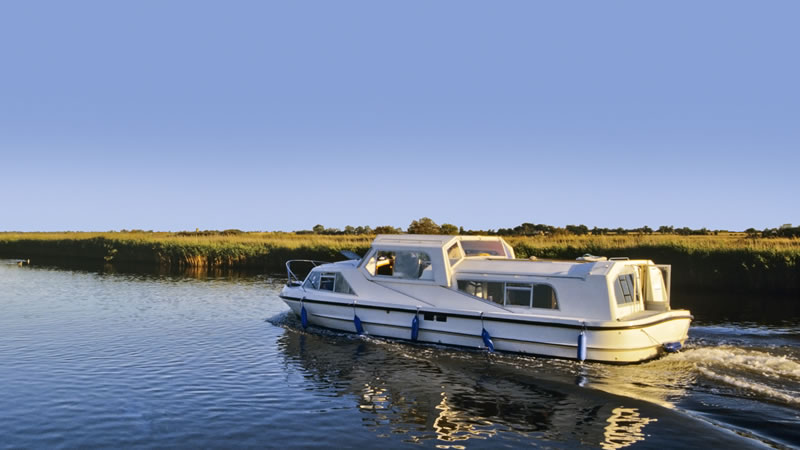
Day Boat Hire on the Norfolk Broads
Considered the UK’s largest and finest wetland landscape, the Norfolk Broads have been a popular destination to hire boats for many decades. These waterways offer open spaces, spectacular scenery, peace and tranquillity and are full to the brim with stunning Norfolk wildlife.

The Norfolk Wildlife Trust - Wildlife Conservation in Norfolk
The Norfolk Wildlife Trust is the oldest Wildlife Trust in the country and aims to provide hands-on, learning experiences to develop knowledge, understanding and enjoyment of the natural world. 400 acres of marshland at Cley, on the north Norfolk coast, was purchased in 1926 to be held ‘in perpetuity as a bird breeding sanctuary’. This has provided a blueprint for nature conservation which has since been replicated the length and breadth of the UK.

The Marsh Harrier is a Norfolk Success Story
The marsh harrier is the largest of the harriers and is recognisable by its long tail and light flight with wings held in a shallow ’V’ formation. Females are larger than the males and have distinctive golden-yellow crowns and throat and chocolate-brown feathers. Males are lighter in colour and have a brown back, pale neck and head, gingery belly and long grey wings with black tips. In recent years the marsh harrier population has increased, and in Norfolk, it is not unusual to see this beautiful bird in flight.

Spotting the elusive Bittern in Norfolk
The bittern is one of the rarest breeding birds in the UK, it is very well camouflaged and spends all year round in Norfolk, making its home in reedbeds on the Norfolk Broads. The male has a very distinctive booming call, that it uses to attract a mate, and this can be heard up to 2km away between March and June.

See the Swallowtail Butterfly in Norfolk
The Swallowtail Butterfly, Papilio Machaon Britannicus is a large, strong and colourful butterfly that forms part of the Papilionidae family. The largest native UK butterfly, with a wingspan of up to 9cm, it is also one of the rarest. The Swallowtail Butterfly has very distinctive yellow and black markings and if you are lucky enough to spot one in flight, it’s a beautiful sight to behold.
Useful links

http://www.visitthebroads.co.uk/
Broads National Park, The official visitor website for the Norfolk and Suffolk Broads

http://www.broads-authority.gov.uk/
The Broads National Park with its scenic waterways, rare wildlife and rich history is looked after by The Broads Authority, keeping it special for visitors and its community